




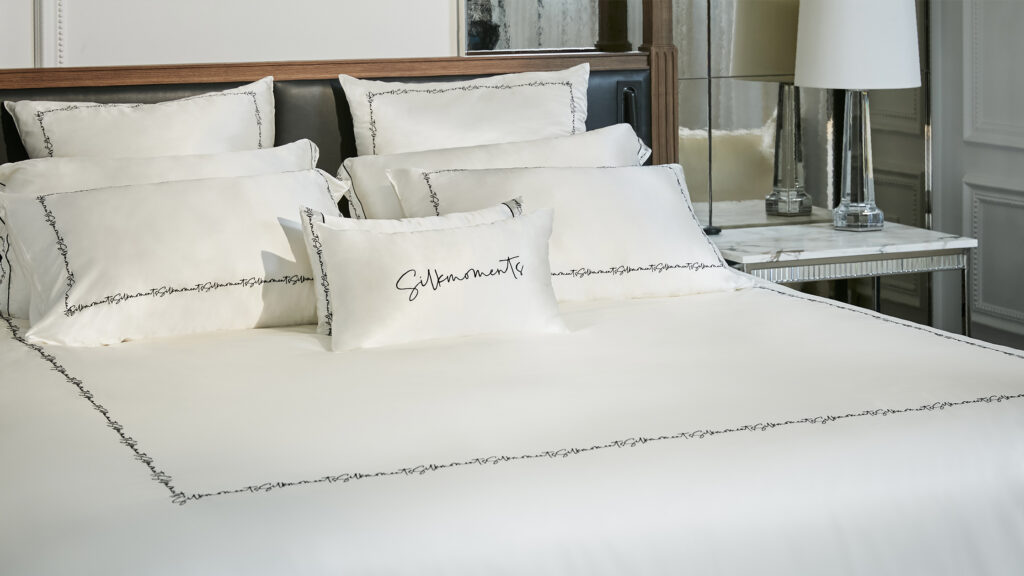
There is a highly specific, universally recognized feeling you get when you swipe a keycard, push open a heavy oak door, and step into a luxury hotel room for the first time. The air is perfectly crisp. The lighting is warm and intentional. The bed looks like an inviting, immaculate cloud, and the absolute absence of daily clutter instantly lowers your blood pressure.
For most people, this feeling of total environmental serenity is reserved for vacations—a brief two-week escape from the chaotic reality of their actual lives. We gladly pay a premium for this hospitality experience, yet we accept that our own bedrooms back home will forever remain stressful, cluttered spaces filled with half-folded laundry and blinking electronics.
But why should a five-star experience be limited to your PTO?
Your bedroom should fundamentally function as a nightly retreat. By borrowing the core design principles and operational secrets used by world-class hospitality brands, you can completely re-engineer your personal space. You do not need a massive renovation budget to achieve this; you simply need to understand sensory architecture, the psychology of clutter, and the value of investing in premium textiles. Here is a comprehensive guide to building a luxury hotel experience in your own home.
The Centerpiece: Rebuilding the “Hotel Bed”
If you ask anyone what they love most about a high-end hotel, the answer is almost always “the bed.” Hospitality brands spend millions of dollars in research and development to create a sleep surface that feels universally comfortable and decadent.
The secret to the hotel bed isn’t just an expensive mattress; it is the art of layering and the strict rejection of low-quality textiles. At home, most of us use a fitted sheet, a flat sheet, and a heavy, often lumpy comforter. We use cotton that has been washed so many times it feels like fine-grit sandpaper.
To replicate the five-star feel, you have to upgrade your foundational layers. Hotels prioritize textiles that feel crisp yet impossibly smooth against the skin, while simultaneously regulating body temperature. While luxury hotels often use high-thread-count percale, you can actually surpass commercial hotel quality in your own home by investing in silk bed sheets.
Unlike standard cotton, which traps body heat and absorbs sweat, pure mulberry silk is a highly breathable, temperature-regulating protein fiber. It provides that coveted, cool-to-the-touch feeling every single time you slip into bed. Because the friction coefficient of silk is near zero, it drapes heavily and smoothly over your body, creating a tactile sensation of pure luxury that even the best commercial hotel linens struggle to match. Furthermore, it completely eliminates the rough, catching sensation of tired cotton, protecting your skin and hair from mechanical wear and tear while you sleep.
The Psychology of Visual Silence
Once the bed is upgraded, you must address the surrounding environment. The primary reason a hotel room feels so instantly relaxing is its absolute lack of “visual noise.”
In a hotel, there are no stacks of unpaid bills on the nightstand. There is no peloton bike in the corner acting as an expensive clothing rack. There are no charging cables snaking across the floor. The space is dedicated entirely to rest and rejuvenation.
At home, our bedrooms often become the default storage unit for our “life admin.” To achieve a five-star feel, you must ruthlessly curate the room. Anything that does not directly contribute to sleep, romance, or relaxation needs to be relocated or hidden behind closed doors.
Standard Bedroom vs. The Five-Star Sanctuary
To visualize the necessary changes, consider how a standard domestic bedroom differs structurally and sensorily from a luxury hospitality suite:
| Design Element | The Standard Home Bedroom | The Five-Star Hotel Experience |
| Lighting Strategy | A single, bright overhead ceiling fixture (the “big light”). | Layered, indirect lighting via bedside lamps and wall sconces. |
| Color Palette | Busy, high-contrast patterns and bright, chaotic colors. | Monochromatic, neutral tones with deep, grounding accents. |
| Nightstand Top | Cluttered with water glasses, cables, books, and loose change. | Minimalist; perhaps a single carafe of water, a lamp, and a valet tray. |
| Window Treatments | Flimsy blinds that let streetlights bleed through the edges. | Floor-to-ceiling blackout drapes layered over sheer privacy curtains. |
| Scent Profile | Smells faintly of laundry detergent or stale domestic air. | A subtle, deliberately chosen signature ambient fragrance. |
Scent and Lighting: The Invisible Architecture
High-end hotels do not just design for the eyes; they design for all the senses.
Have you ever noticed that you look better in a hotel bathroom mirror than you do at home? That is not an accident. It is strict color temperature control. To replicate this, you must banish harsh, cool-toned LED bulbs (anything over 4000 Kelvin) from your bedroom. Replace all your bulbs with “warm white” options (around 2700 Kelvin). Furthermore, install dimmer switches on your bedside lamps. Bringing the lights down to a low, warm amber glow an hour before bed mimics a sunset, actively signaling your brain to start producing melatonin.
Next, establish a signature scent. Luxury hotels pump custom fragrances through their HVAC systems to create an “olfactory anchor.” When you smell that specific scent, your brain instantly associates it with relaxation. You can achieve this at home without industrial equipment. Choose a high-quality reed diffuser or a cold-air nebulizing diffuser and place it near the bedroom door. Opt for sophisticated, grounded notes like sandalwood, bergamot, or vetiver rather than overly sweet, synthetic baking smells.
Dressing for the Space: The Lounge Factor
One of the most iconic elements of the luxury hotel experience is the plush, oversized white robe hanging in the closet. The moment you put that robe on, you are mentally “on vacation.” However, heavy terrycloth robes are entirely impractical for everyday life at home; they are incredibly bulky, you can’t easily cook breakfast in them, and they trap heat aggressively.
To maintain the five-star illusion at home, you need to upgrade your personal loungewear to match your newly designed bedroom. It makes zero sense to curate a beautifully minimal, perfectly lit sanctuary, only to lounge in it wearing faded gym shorts and a stained promotional t-shirt.
This is particularly true for menswear, a category notoriously neglected when it comes to domestic luxury. Men frequently appreciate the indulgence of a hotel robe but revert to terrible habits at home. Giving him (or treating yourself to) a set of tailored men’s silk pajamas bridges the gap perfectly. A premium, long-sleeve button-down set offers the exact same psychological “vacation” trigger as the hotel robe, but with a highly tailored, sophisticated mid-century aesthetic. Because natural silk actively regulates body heat, it allows you to lounge comfortably around the house for hours without overheating, making it a far superior, everyday alternative to the bulky hospitality robe.
The 5-Step Weekend Transformation Plan
You do not need to hire an interior designer to begin this process. You can drastically alter the feeling of your bedroom this coming weekend by executing a few highly targeted, operational changes.
- Execute a Ruthless Clutter Sweep: Remove everything from your nightstands and dressers. Put back only a lamp, a charging pad, and perhaps one book. Use a small leather valet tray to contain everyday carry items like watches and rings, keeping them looking intentional rather than messy.
- Layer the Lighting: Commit to never turning on your primary overhead ceiling light again. Rely entirely on two bedside lamps equipped with warm-toned (2700K) bulbs to create a low, inviting atmosphere.
- Master the “Hospital Corner”: Hotel beds look immaculate because they are pulled perfectly tight. Learn how to fold “hospital corners” at the foot of your bed to create a crisp, tailored look that prevents your blankets from slipping off during the night.
- Upgrade the Touchpoints: Invest in the textiles that directly touch your skin. Replace tired cotton with premium, breathable natural fibers, and ensure you have high-quality loungewear ready to slip into the moment you end your workday.
- Establish a Nightly Turn-Down Routine: Hotels provide a “turn-down service” to prepare the room for sleep. You can do this yourself. Five minutes before getting into bed, draw the blackout curtains completely, turn on your warm bedside lamps, fold the duvet back at a precise 45-degree angle, and place a glass of fresh water on the nightstand.
By systematically upgrading your environmental touchpoints—from the crispness of your bedding to the warmth of your lighting and the elegance of your loungewear—you strip away the stress of the outside world. Designing a five-star bedroom experience is simply about treating your daily life with the same level of care and respect that a luxury hospitality brand would.